



Your adaptable approach to training in Australia
Training works best when it respects context. Australian schedules, commutes, and climate patterns influence energy, recovery, and attention. This guide brings together concise principles for home workouts, practical gym sessions, and focused HIIT intervals. The aim is consistent activity with clear intent, so each minute supports a larger rhythm rather than feeling random.
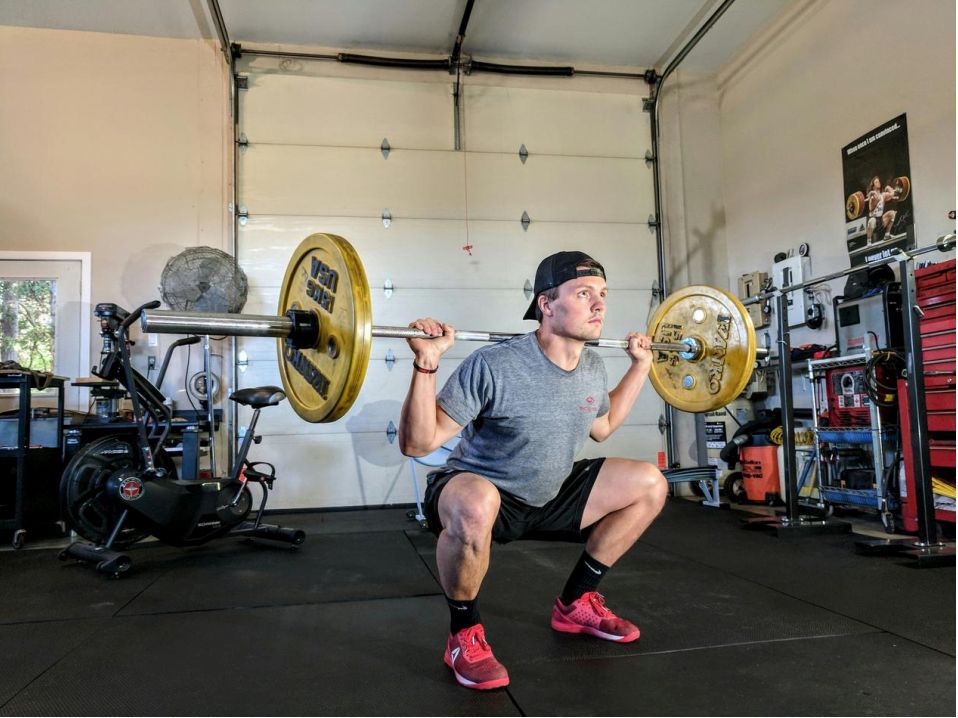
Begin with movement quality. Warm-ups target joint readiness and breathing cadence, using simple flows that wake up hips, mid-back, and ankles. For strength, select two to three primary patterns per day: squat or hinge, push, pull. Accessory movements add stability and tissue tolerance. Keep rest purposeful; walk, breathe through the nose when possible, and prepare the next set.
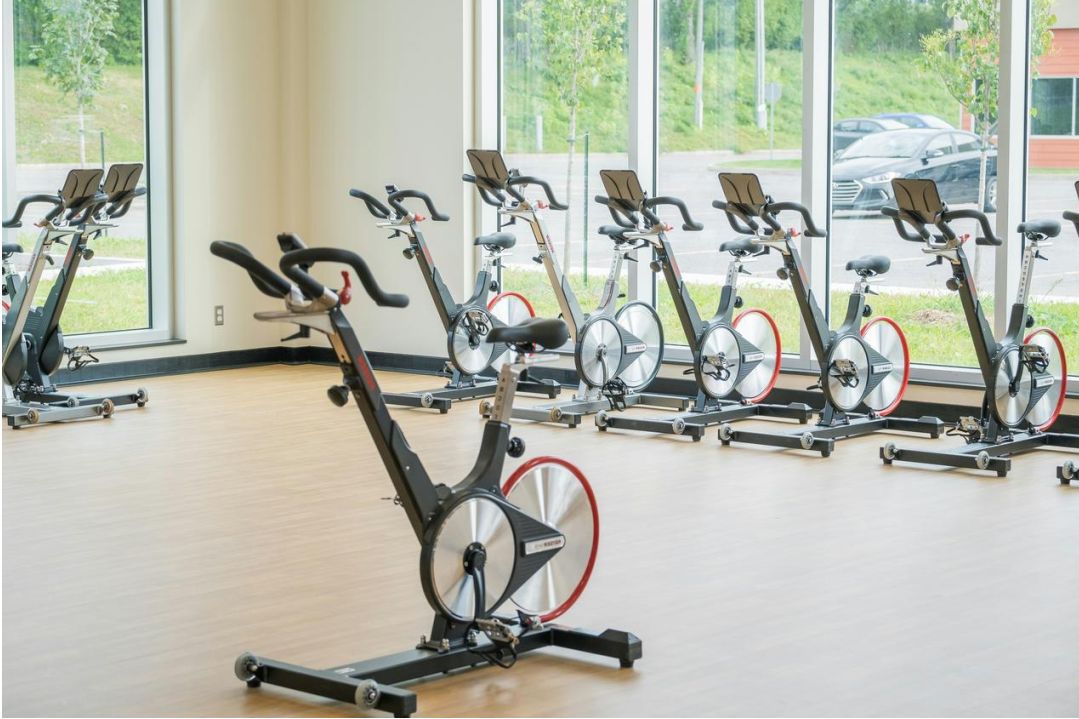
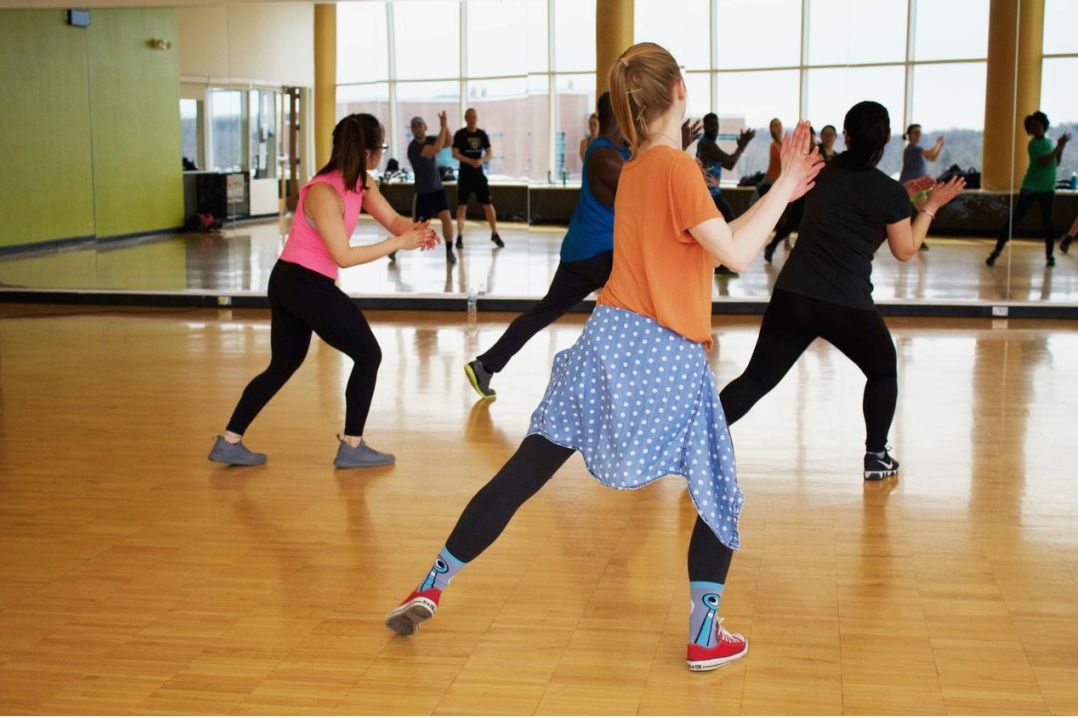
For HIIT, intensity shines when intervals remain short enough to preserve mechanics. Choose a modest number of rounds and watch your first rep technique match your last. Recovery windows matter; a gentle cooldown brings heart rate down without rushing. Track a few essentials: sets, reps, time under tension, and an RPE note about how the session felt today.
Home sessions thrive with clear boundaries. Use a timer and a compact equipment kit: bands, a kettlebell or dumbbells, and space for floor work. The best plan is the one that gets completed regularly. When time tightens, reduce volume while preserving intent: fewer rounds, crisp execution, and a brief finisher. If energy dips, swap a high-intensity block for mobility and core stability to protect momentum across the week.
Nutrition supports training through pattern consistency. Aim for balanced plates that you can repeat during busy periods, and hydrate with simple cues tied to daily routines. Sleep is performance infrastructure; create wind-down rituals, dim screens, and keep the bedroom cool, dark, and quiet. Small, steady habits compound; track one to three items rather than everything at once.
Finally, progress unfolds across seasons. Build during cooler months, refine pacing during warmer weather, and plan resets after demanding periods at work or study. Use deload weeks proactively and view setbacks as signals to adjust levers: load, frequency, and complexity. This flexible approach helps you keep training present in your life without feeling overwhelming.